Tbilisi & Georgian Wine Country: 2026's Bold Retreat Choice
- Emma Rosenfeld

- Mar 20
- 4 min read
Updated: Apr 8

Every year, corporate retreat planners face the same challenge: finding destinations that feel genuinely fresh without sacrificing logistics or impact. In 2026, a surprising answer is emerging at the crossroads of Europe and Asia.
Georgia, specifically Tbilisi and the Kakheti wine region, has quietly become one of the most compelling choices for corporate retreats seeking authentic experiences, exceptional value, and venues that simply don't exist elsewhere. With direct flights from major European hubs, a UNESCO-protected winemaking tradition spanning 8,000 years, and exclusive-use properties ranging from restored caravanserais to contemporary vineyard estates, Georgia offers what overexposed destinations cannot: genuine discovery.
Why Georgia? The Strategic Case for Tbilisi Corporate Retreats

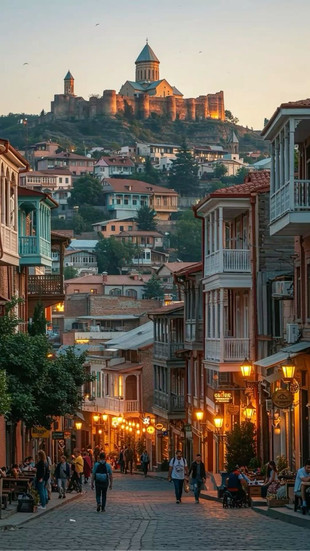

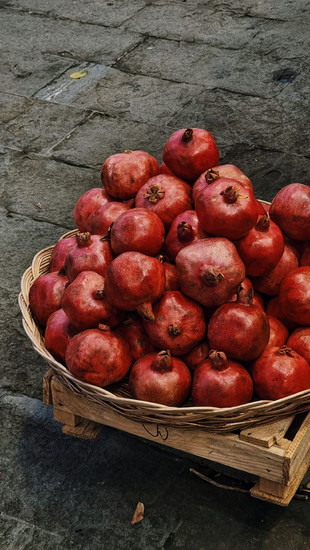


Corporate retreat destination selection increasingly follows a clear pattern: teams want somewhere memorable enough to break routine thinking, accessible enough to minimize travel friction, and distinctive enough to signal organizational values.
Georgia checks all three boxes with unusual strength.
Accessibility has transformed. Direct flights now connect Tbilisi with London, Paris, Munich, Vienna, Dubai, and Tel Aviv. Flight times from European capitals average 4 hours, comparable to Marrakech or Reykjavik, destinations that have become predictable choices.
Cost efficiency remains exceptional. According to 2025 hospitality data, Georgia offers 40-60% lower venue costs compared to Western European equivalents, without compromising on quality. A full property buyout at a premium Georgian wine estate typically costs less than a partial booking at comparable properties in Tuscany or Provence.
Cultural depth creates lasting impact. Teams experience the world's oldest wine culture, a cuisine recognized by UNESCO, and a capital city where Soviet history meets contemporary arts, all within venues unavailable through standard booking channels.

Kakheti: The Wine Region Built for Exclusive-Use Retreats
The Kakheti wine region, two hours east of Tbilisi along the scenic Georgian Military Highway, contains what may be the highest concentration of exclusive-use retreat venues in any emerging destination.
The Qvevri Tradition Creates Unique Programming
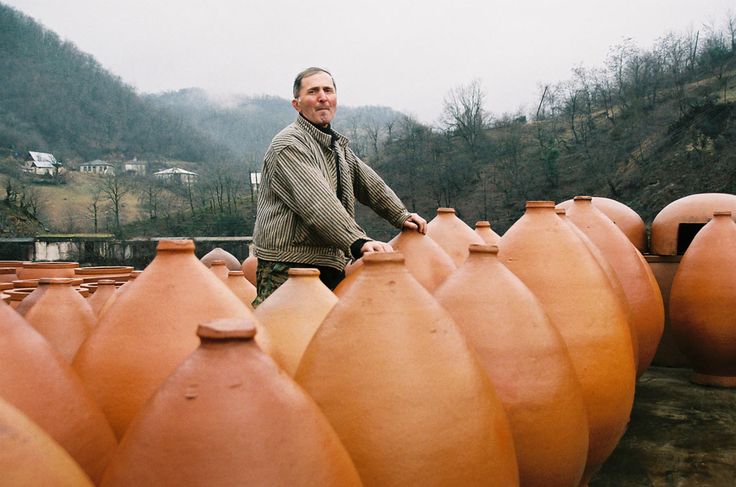
Georgia's winemaking process: fermenting wine in qvevri, large clay vessels buried underground, has remained unchanged for 8,000 years. This is not a gimmick for tourists. It is a living tradition that UNESCO designated as Intangible Cultural Heritage in 2013.


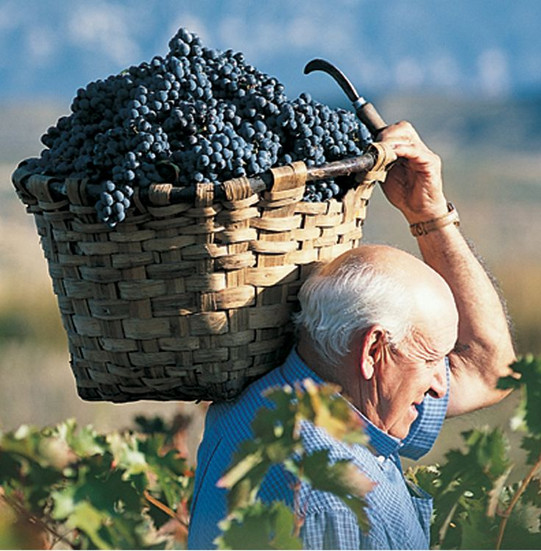
For corporate retreats, this translates into programming that cannot be replicated elsewhere. Teams participate in harvest alongside families who have tended the same vineyards for generations. They learn traditional Georgian polyphonic singing, recognized by UNESCO as a Masterpiece of Human Heritage. They dine at a supra, the Georgian feast tradition where a tamada (toastmaster) guides structured toasts that naturally build connection and reflection.
These experiences create what retreat facilitators call "productive disorientation," removing teams from familiar contexts in ways that unlock fresh thinking.
Venue Types Unique to the Region

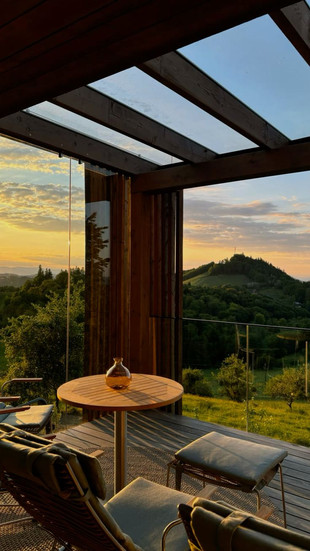

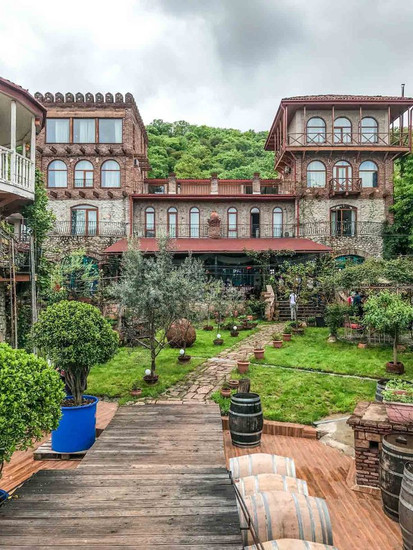


Georgian wine country offers property categories that simply don't exist in established retreat markets:
Restored Noble Estates: 19th-century properties from Georgia's brief independence period, featuring distinctive Georgian architecture with wrap-around wooden balconies and cellars holding wines aged since Soviet times
Contemporary Vineyard Hotels: Purpose-built boutique properties combining modern meeting facilities with traditional qvevri cellars and on-site sommeliers
Historic Caravanserais: Former Silk Road trading posts converted into exclusive-use venues, offering courtyards, multiple buildings, and profound historical resonance
Monastery Guesthouses: Select Georgian Orthodox monasteries offer exclusive-use guesthouse facilities, providing contemplative settings with centuries of history
Most properties accommodate 20-60 guests in exclusive-use configurations, the sweet spot for meaningful corporate retreats.
Tbilisi: A Capital City That Complements Wine Country
Effective retreat design often combines intensity with contrast. Tbilisi provides this contrast: a cosmopolitan capital with genuine edge.


The Old Town Sulfur Bath District offers therapeutic programming opportunities (the city's name derives from "tbili," meaning warm, referencing the natural hot springs). Teams can book private bath houses for recovery sessions following intensive workshop days.
The contemporary arts scene rivals Berlin or Lisbon. Fabrika, a former Soviet sewing factory, now houses creative studios, event spaces, and accommodation. The Stamba Hotel, occupying a converted Soviet-era publishing house, has become a landmark for design-conscious travelers.
Culinary programming benefits from Tbilisi's status as one of the world's most exciting emerging food cities. Georgian cuisine, featuring walnut sauces, cheese-filled khachapuri bread, and complex spice blends, has garnered attention from global food media and Michelin recognition for Georgian restaurants in London and Paris.
A typical five-day retreat structure might spend three nights at an exclusive-use Kakheti property for intensive work, then two nights in Tbilisi for celebration and cultural immersion.
Practical Considerations for 2026 Planning






Best Timing: September through early November offers ideal conditions, grape harvest season, warm days, cool evenings, and brilliant autumn colors. Spring (April-May) provides a strong alternative with wildflowers and newly released wines.
Visa Access: Most European, North American, and UK passport holders receive visa-free entry for one year, simplifying logistics for international teams.
Infrastructure Reality: Georgia has invested heavily in tourism infrastructure since 2010. International-standard properties exist alongside budget options. The gap between "boutique hotel" and "local guesthouse" is clear and well-documented.
Language and Business Culture: English proficiency among hospitality staff in premium properties is strong. Georgian culture values hospitality as a core identity, guests are considered "gifts from God" in local tradition.
Working with Exclusive-Use Properties in Georgia




The Georgian boutique hospitality market operates differently from established European destinations. Most exclusive-use venues are owner-operated, with limited presence on major booking platforms. Properties often don't advertise buyout availability publicly.
This creates both challenges and opportunities for event planners.
The challenge: research and outreach require local knowledge.
The opportunity: rates remain negotiable, and properties often provide remarkable flexibility for groups willing to work directly with ownership.
Properties particularly suited for corporate retreats typically offer:
Full-property buyout capacity for 20-80 guests
On-site or partner-operated meeting facilities
Wine programming integrated with property operations
Catering that showcases Georgian cuisine
Ground transportation and excursion coordination
Key Takeaways


Georgia offers a 40-60% cost advantage over comparable Western European exclusive-use venues, with direct flights from major hubs now under 4 hours
Kakheti wine country contains unique venue categories: restored noble estates, contemporary vineyard hotels, and converted caravanserais, unavailable in established retreat markets
The 8,000-year qvevri winemaking tradition enables programming that creates genuine "productive disorientation," breaking routine thinking patterns
September-November represents peak retreat season, combining harvest experiences, ideal weather, and full property availability
Local market expertise matters most for premium exclusive-use properties that operate outside standard booking channels, requiring specialized sourcing


Comments